 It’s no secret that American craft beer changes with the times. The beer in your glass responds to consumer demand and brewer creativity as well as the unseen influences of ingredients, costs and regulation. But the end-product is not the only thing changing.
The many and various ways that craft beer is retailed and ultimately sold to the consumer evolves along with changing market forces and demands. Just as environment shapes the organism, consumers are collectively and unknowingly shaping the craft beer environment.
Think about buying a craft beer back at the turn of the century (for the kids, barely 20 years ago now). Craft beer was a commercial novelty, enjoyed and supported by a strange but loyal following, and the only places it could be purchased were licensed brewpubs or a few dedicated local, so-called “beer bars” such as The Ginger Man, multiple Flying Saucer locations, or a couple of independents. At inception, it was mostly a closed craft market with few access points.
A new business model has arisen from a maturing population fueling suburban sprawl: the “growler-fill station.”
Compare the situation today: It is difficult to find any larger restaurant or bar, even national franchises, without a selection of 30 taps or more. Where years ago a “craft beer” tap may have been grudgingly reserved, most likely for the brewery in the immediate neighborhood, now it is not unusual to find the latest seasonal or limited offering from distant states. Where once only premium liquor stores carried bottles of craft beer, now every major grocery chain has a dominant craft beer section.
Certainly, distribution and legislation have played their parts. Major distributors consolidated and local zoning laws relaxed, which greatly improved the availability of packaged products. Taprooms were legalized just a few short years ago, turning breweries’ sterile manufacturing facilities into vibrant social destinations. Even right now, another effort is moving through the Texas legislature to allow off-premise sales direct from brewery locations.
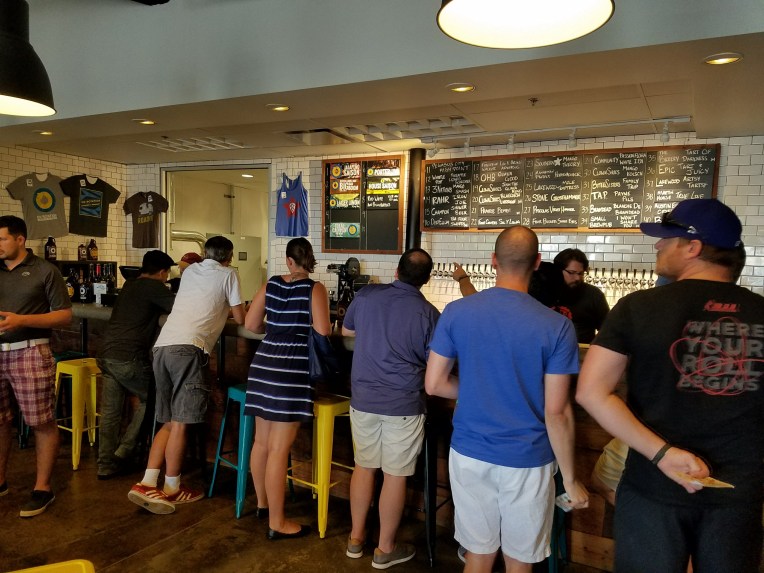
The consumer end is still reshaping retail as the demographics shift. A new business model has arisen from a maturing population fueling suburban sprawl: the “growler-fill station,” an economic strip-center location with a presence between retail store and beer bar. Patrons can conveniently fill their glasses or their growlers from dozens of taps without trekking farther to an established craft beer destination and retailers get to close at 9 PM, avoiding the expense, hassle and risks of operating a nighttime bar or pub.
We are watching the latest retail phenomenon develop as what may be described as the hybrid or “crossover” business model for craft beer. Retailers are combining other consumer businesses or entertainment venues with the standard growler-fill, reclaiming something closer to the original brewpub model of restaurant plus brew-on-site. These places build premium craft beer bars within or alongside an unrelated product such as a movie theater (Alamo Drafthouse, Flix Brewhouse), an arcade (Free Play, Cidercade) or even a more traditional coffee house (Civil Pour, Golden Boy and a few others).
Obviously, the motivation behind this latest retail model is to play to another market besides craft beer—which is a smart move while costs and competition continue to rise. So far, consumers seem to be embracing these creative chimera businesses, and most seem to be doing well. What’s next for the craft beer retail sector? Stay tuned and find out. SD
Originally published for 8th Annual Big Texas Beer Fest (2019 program).

 The ceilings are high, and the tall windows let in a lot of light—especially at night with the electronic ad-screen across the street. The bar top is still pristine, and the structure is just one featureless retail slot of a larger commercial complex. The kitchen is the same, and the new beer tap system belongs about 15 minutes into the future.



 As a general rule, the rain keeps me at home and out of pubs and local breweries. Low turnout, putting on pants and messy, slick streets are just not worth the effort on such grey days.


 As a craft beer fan and dedicated consumer, do you know where your beer comes from? Not the ingredients, not the brewery ownership, but culturally and conceptually?
 They anticipated a quiet opening week, a Thursday soft opening that might attract a few of the craft beer loyal, just enough to make keeping the doors open worthwhile on a weeknight.


 Opening this past summer, it’s already apparent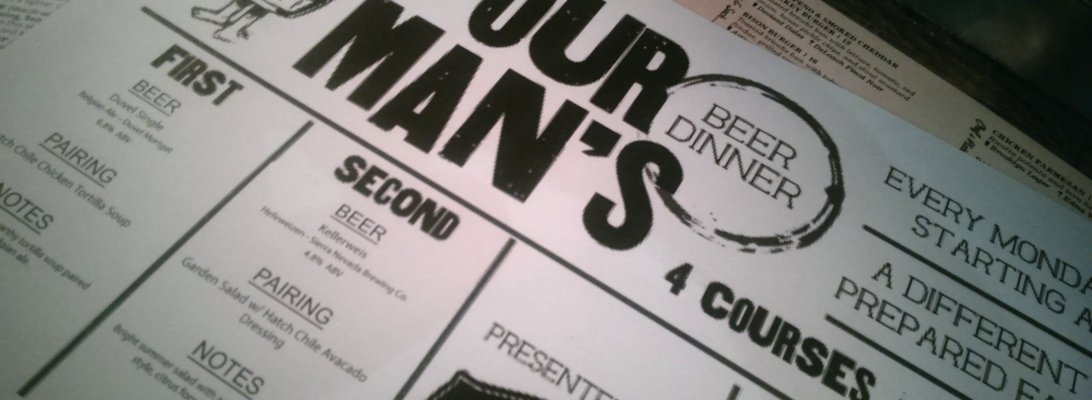
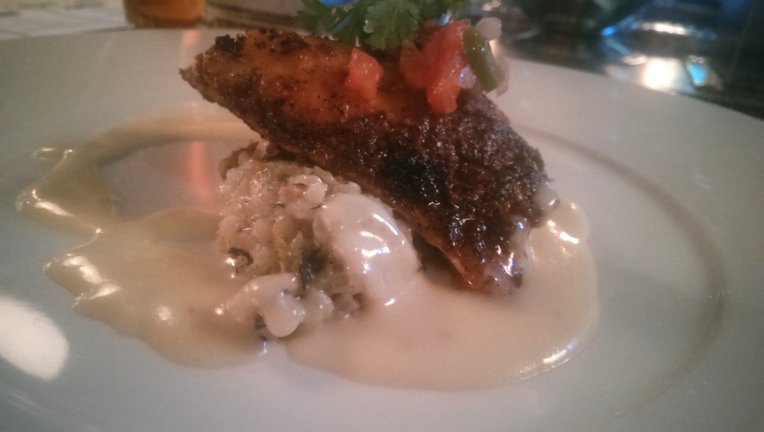
 Today, beer and wine dinners have become almost a yawning marketing commodity among the bar and restaurant industry. But in the days a half-decade ago when craft beer was just establishing its foothold in North Texas, beer-pairing dinners were rare and celebrated events.



 A growler revolution is underway in the Lone Star State. Little over a year ago, growlers in Texas were the exclusive province of the all-too rare brewpubs, and many dedicated fans of craft beer were unfamiliar with the practice or even the term.
 SILENUS DRINKS